
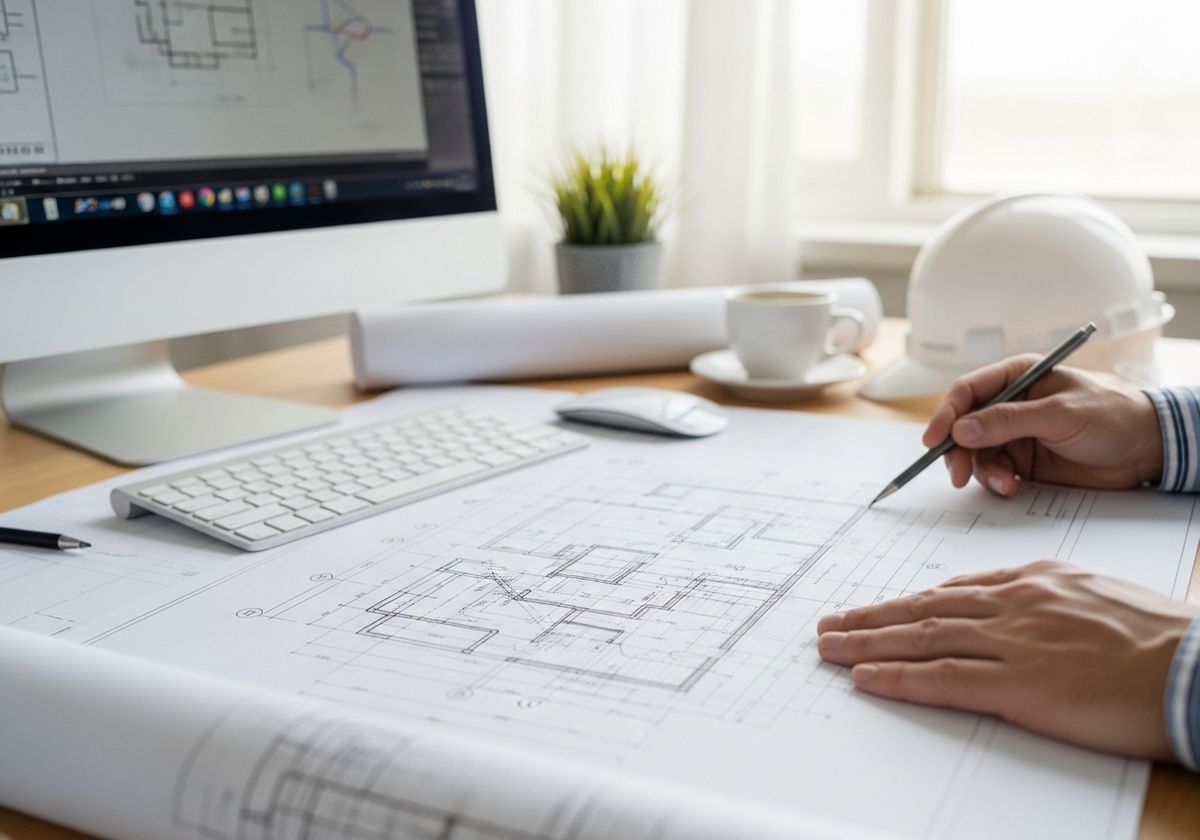
In the world of construction and architecture, accuracy is paramount. When it comes to blueprints, even the smallest error can lead to costly mistakes and delays. That's why preparing your files correctly for blueprint printing is crucial. Plan Express helps teams move from digital files to print-ready drawings with fewer hurdles. This guide will walk you through the essential steps to ensure your blueprints are accurate, clear, and ready for action.
1. Choose the Right File Format
The most common file formats for blueprints are PDF, DWG, and DWF. PDF is generally preferred due to its universal compatibility and ability to preserve formatting across different systems. DWG and DWF are native AutoCAD formats that offer more flexibility for editing and collaboration but may require specific software to view and print.
2. Ensure Correct Scaling and Dimensions
Accuracy in scaling is non-negotiable. Double-check that your drawing is scaled correctly in the digital file. Verify the dimensions and measurements against the original design to avoid discrepancies during printing. Communicate the required scale clearly to your Memphis print shop to prevent any misunderstandings.
3. Use High Resolution
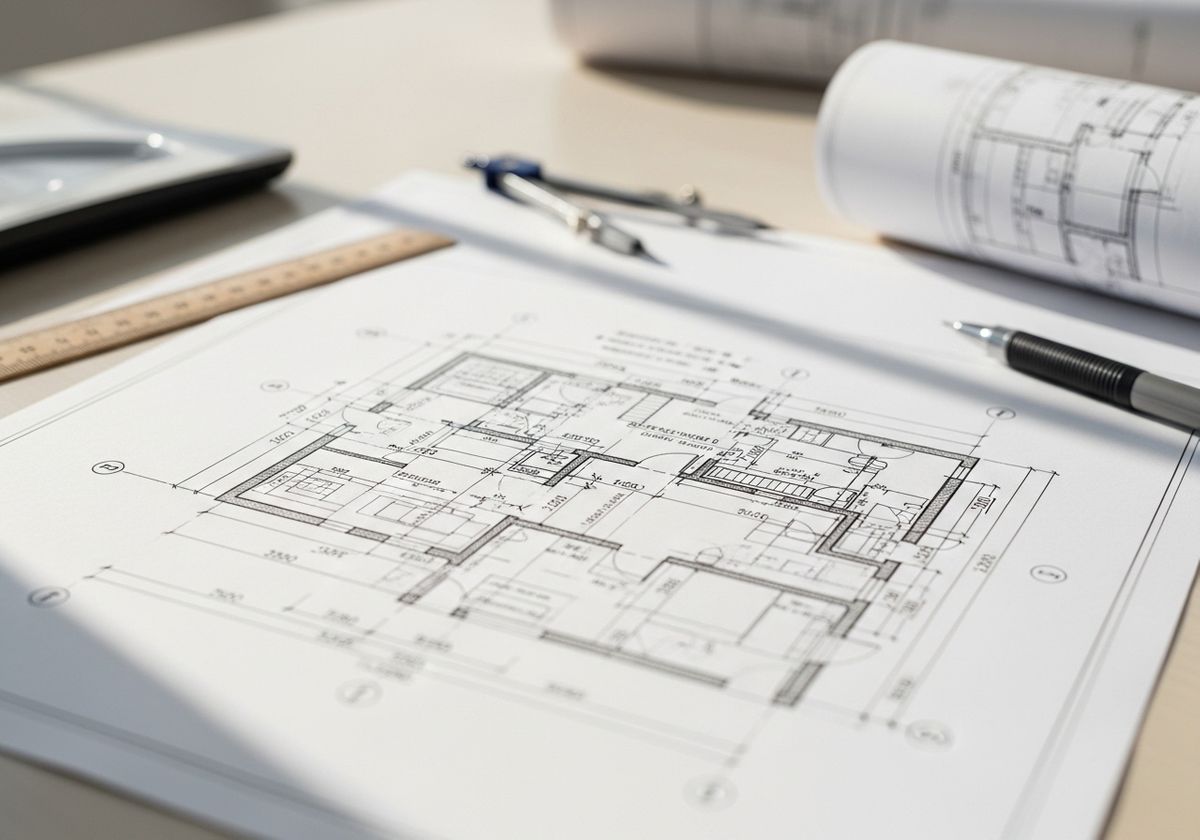
Blueprints often contain intricate details that need to be reproduced clearly. Using a high resolution ensures that all lines, text, and symbols are sharp and legible. Aim for a resolution of at least 300 DPI (dots per inch) for optimal print quality.
4. Organize Layers Effectively
If your blueprint file contains layers, organize them logically and consistently. This makes it easier to isolate specific elements, such as electrical layouts or plumbing plans, during the printing process. Clearly label each layer to avoid confusion.
5. Include a Title Block
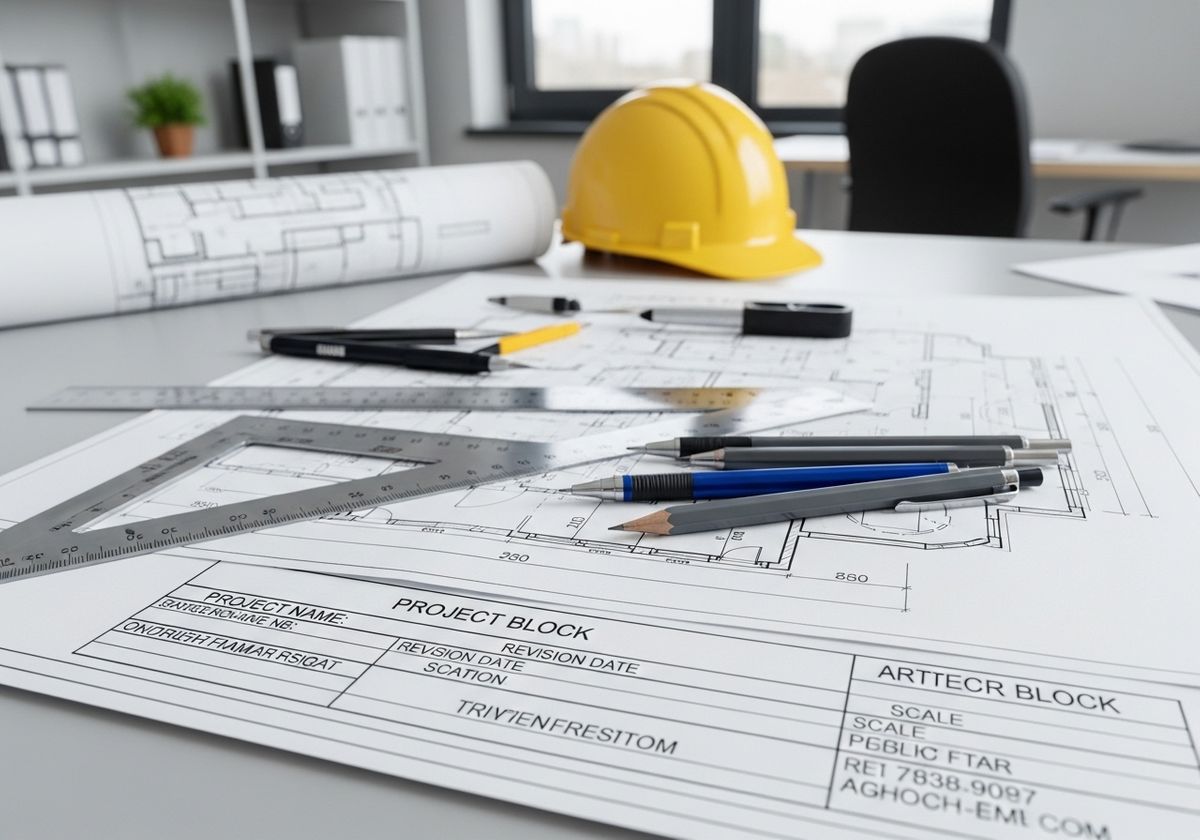
A title block is a crucial element of any blueprint. It should include essential information such as the project name, drawing number, revision date, scale, and architect or engineer's contact information. Ensure that the title block is accurate and up-to-date.
6. Check for Line Weights and Styles
Line weights and styles are used to differentiate between different elements in a blueprint. Ensure that line weights are consistent throughout the drawing and that different line styles (e.g., dashed, dotted) are used appropriately to convey specific information.
7. Proofread Carefully
Before submitting your files for construction printing, take the time to proofread all text and annotations. Check for spelling errors, typos, and inconsistencies. Even small errors can lead to confusion and costly mistakes on the construction site.
8. Communicate Special Instructions
If you have any specific requirements or instructions for your Memphis print shop, communicate them clearly. This could include paper type, printing size, binding preferences, or delivery instructions. Clear communication helps ensure that your blueprints are printed exactly to your specifications.
Preparing your files carefully for blueprint printing is an investment that pays off in accuracy, efficiency, and reduced errors. By following these guidelines, you can ensure that your blueprints are clear, accurate, and ready to guide your construction project to success. At Plan Express, founded in 2024, we understand the critical role of accurate construction printing. We offer comprehensive printing services, including blueprint printing, digital document management, and online plan rooms, all designed to help you streamline your project workflows. Looking for reliable printing services? Contact us today to learn more about how Plan Express can help you "Get your prints delivered, faster."